
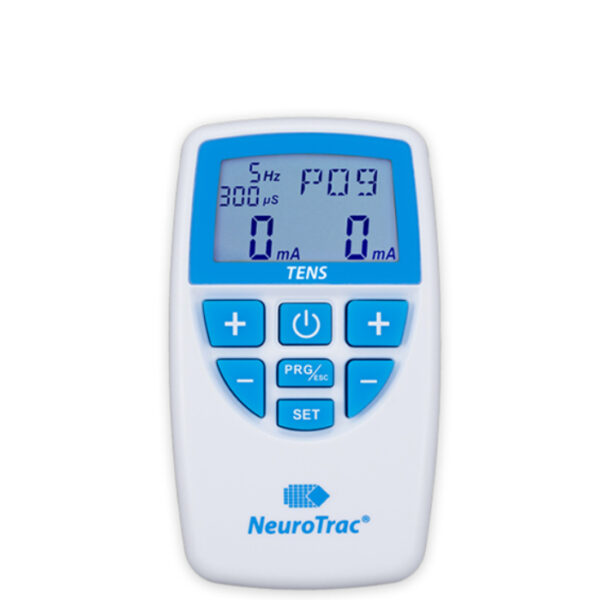
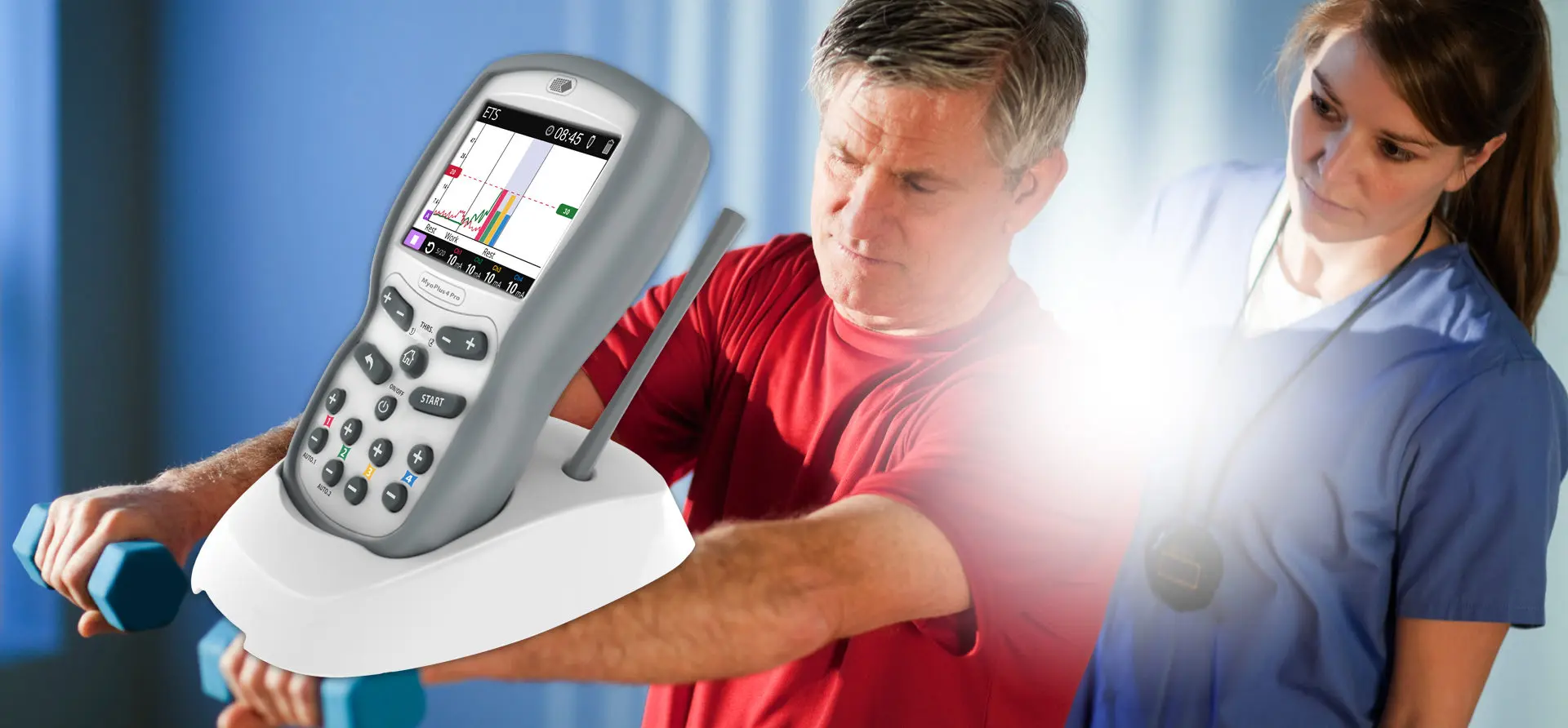
NeuroTrac® TENS-ECS300A

DUAL CHANNEL DIGITAL TENS UNIT The NeuroTrac® TENS is a digital dual channel TENS machine designed to provide effective, drug-free pain relief. Used under the guidance of a physiotherapist or clinician, this professional-grade TENS unit delivers safe, non-invasive electrical stimulation to help manage acute and chronic pain. Its compact design, preset programmes, and customizable settings make it suitable for both clinical and home use.

Overview & Clinical Applications

The NeuroTrac® TENS is a medical device used for symptomatic relief of musculoskeletal and neuropathic pain. It is commonly used in physiotherapy clinics, rehabilitation centers, and home settings to support pain management during injury recovery, chronic pain conditions, and post-operative rehabilitation. By delivering controlled electrical impulses through surface electrodes, the device helps reduce pain perception and improve patient comfort without medication.

  • Basic Digital Dual channel TENS machine for Pain Relief.
  • Simple and practical for a wide range of Pain management techniques.
  • Preset and customizable programmes: Includes 11 preset programmes and 3 customizable TENS programmes
  • Multiple treatment modes: Supports Continuous, Burst, and Modulated stimulation modes
  • Clear backlight LCD display: Ensures easy readability in low light or dark conditions
  • Lock mode function: Records home compliance, including treatment duration and current intensity used.
  • Clear bright backlight LCD allows the display to be read more easily in low light or dark conditions.
  • User-friendly controls: Keypad with larger buttons allows easy adjustment and operation
  • Portable and lightweight design: Compact and reliable for convenient home or clinic use


Model number: ECS300A. This product is available through selected distributors who are able to provide training and support.

How the NeuroTrac® TENS-ECS300AWorks

The NeuroTrac® TENS machine uses Transcutaneous Electrical Nerve Stimulation (TENS) to provide non-invasive pain relief. Electrical impulses are delivered through electrodes placed on the skin near the area of pain. These impulses stimulate larger nerve fibers, which help block pain signals from reaching the brain. This mechanism is based on the ‘Pain Gate Theory,’ where stimulation of sensory nerves reduces pain perception.

The device also supports Burst and Modulation modes, which help prevent nerve accommodation and improve treatment effectiveness. Adjustable pulse rate and pulse width allow clinicians and patients to customize therapy based on individual treatment goals and clinical response.

Technical Specifications

  • Dual channel: individually isolated circuits.
  • Amplitude: 0 – 80 mA into 500 Ohm load; indication only. Actual mA will tend to be less than indicated due to electrode impedance: at 1000 Ohms load (Electrodes in poor condition) the maximum will be limited to 70 mA, at 1500 Ohms load the maximum will be limited to 65 mA.
  • Type: Constant Current, maximum output voltage 180 Volts +10 / -30 Volts
  • Waveform: Asymmetrical, rectangular bi-phasic with zero DC current.
  • Selectable pulse width: 50mS -300mS [2% accuracy].
  • Pulse Rate selection: in the continuous mode 2 Hz – 200 Hz [2% accuracy].
  • Mode: Continuous, Burst or Modulated.
  • Burst mode: Bursts of 9 pulses [200 mS] at 150 Hz, repeating twice every second.
  • Modulation mode: 6-second cycle of concurrent width modulation and pulse repetition rate modulation. Width starting at 200 mS and decreasing exponentially to 100 mS in three seconds and then returning back to 200 mS in the next three seconds. Rate starting at 100 Hz, decreasing exponentially to 65 Hz and then returning to 100 Hz.
  • Time duration of the treatment selectable: 1 minute to 12 hours.
  • Low Battery Indicator: If the battery goes below 6.9 volts +/- 0.2 volts the battery symbol will flash on/off once every second.
  • If the battery voltage is below 6.6 (+/- 0.2) volts the unit will not turn on.
  • Open Electrode Detect: If an open circuit is detected at the output of channel A or B the output current will be reset at zero.
  • Physical dimensions: 119.2 x 69 x 28.7 mm

Weight: 0.07KG without battery, 0.1KG with battery.

Environmental Conditions for use:

+5 to +40 degrees Centigrade. 15-90% Humidity.

Environmental conditions for storage & transport:

-25 to +70 degrees Centigrade. 15-90% Humidity.

Reviews

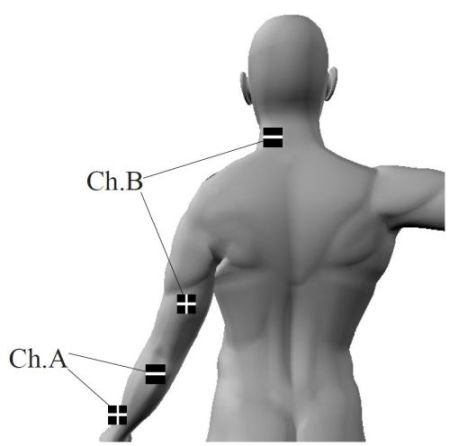
Electrodes Placement Manual
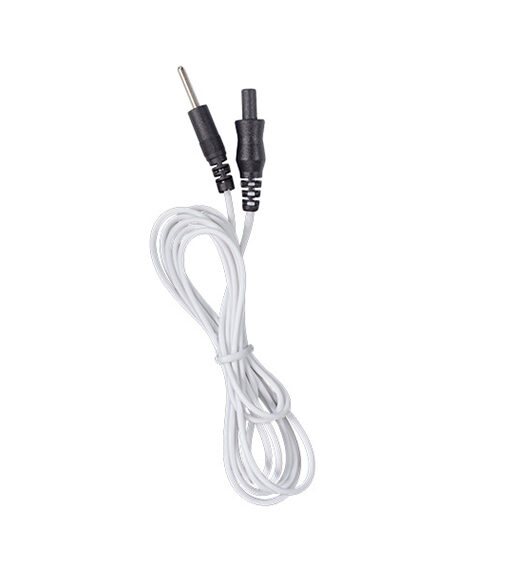
Reference(REF) Leadwire-LW102
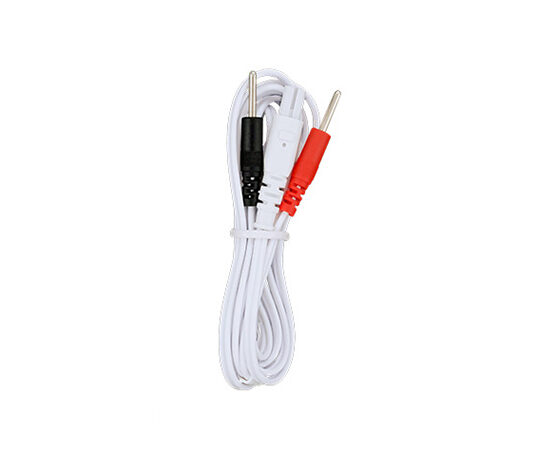
White Dual Conductor Leadwires-LW103
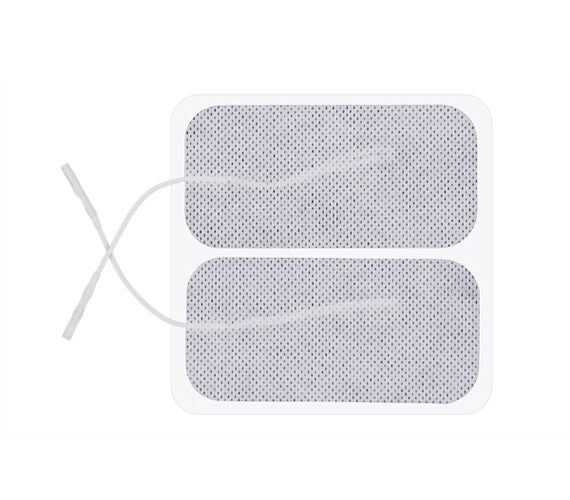
Skin Electrodes: 100 x 50 mm
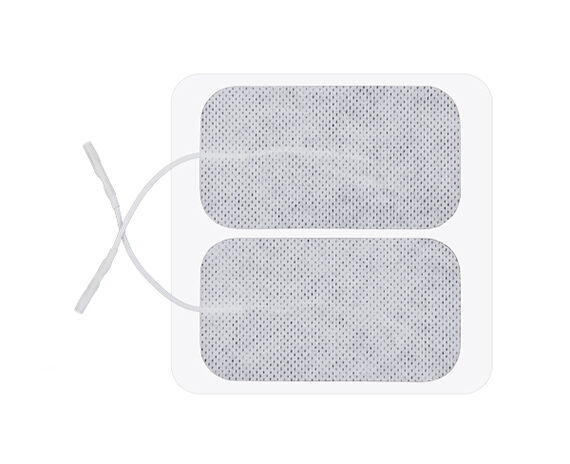
Skin Electrodes: 90 x 50 mm
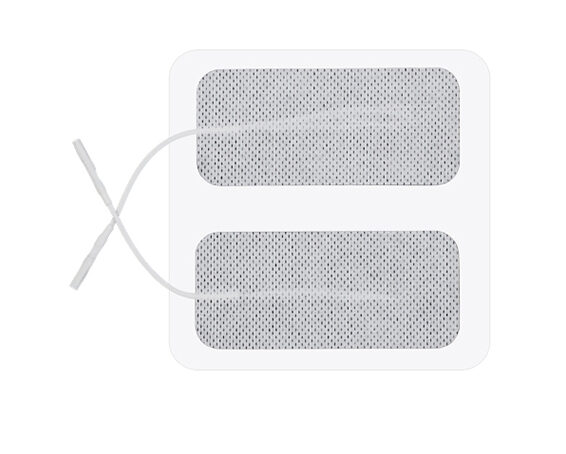
Skin Electrodes: 90 x 40 mm
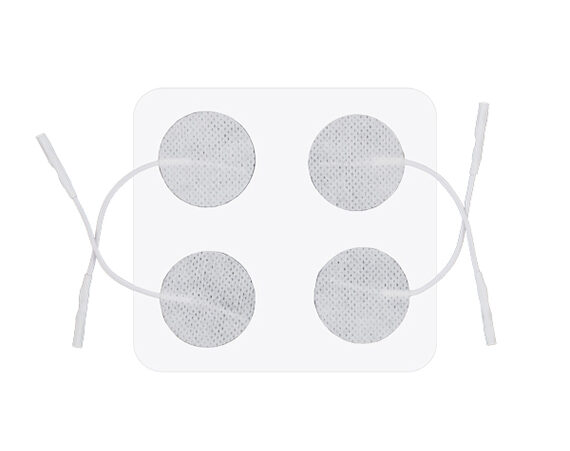
Skin Electrodes: Round 30 mm
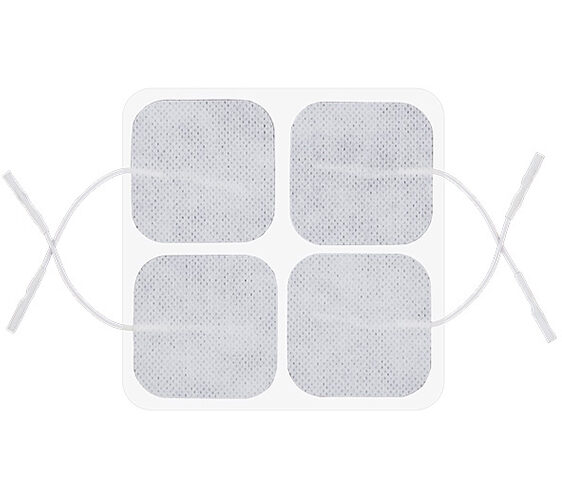
Skin electrodes: 50 x 50 mm
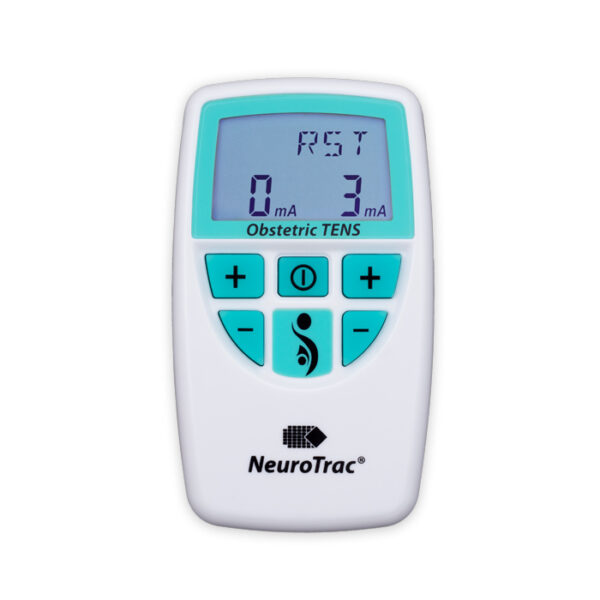
NeuroTrac® Obstetric TENS-ECS310A
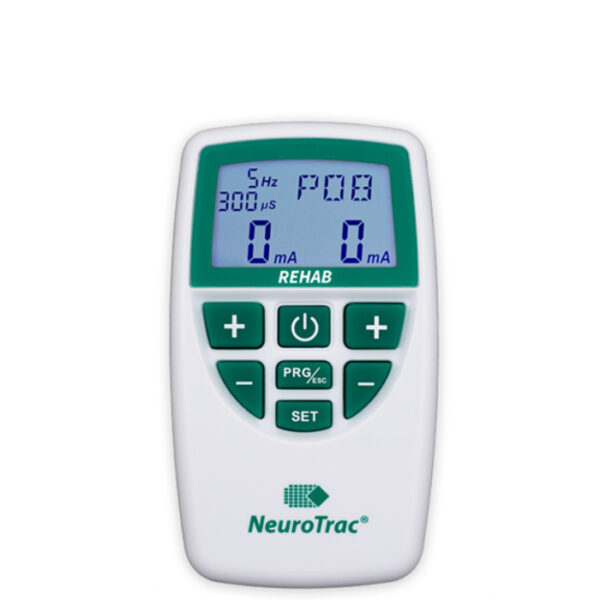
NeuroTrac® Rehab-ECS305A
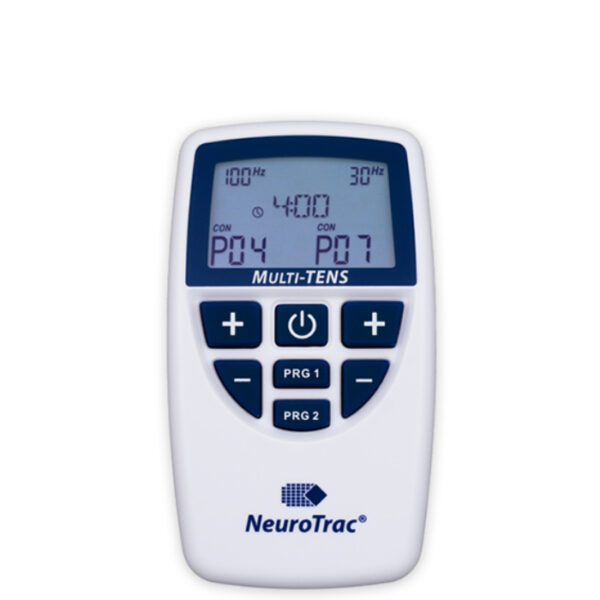
NeuroTrac® MultiTENS-C6V350

Related Articles

Best Practices for Electrode Placement in Therapy

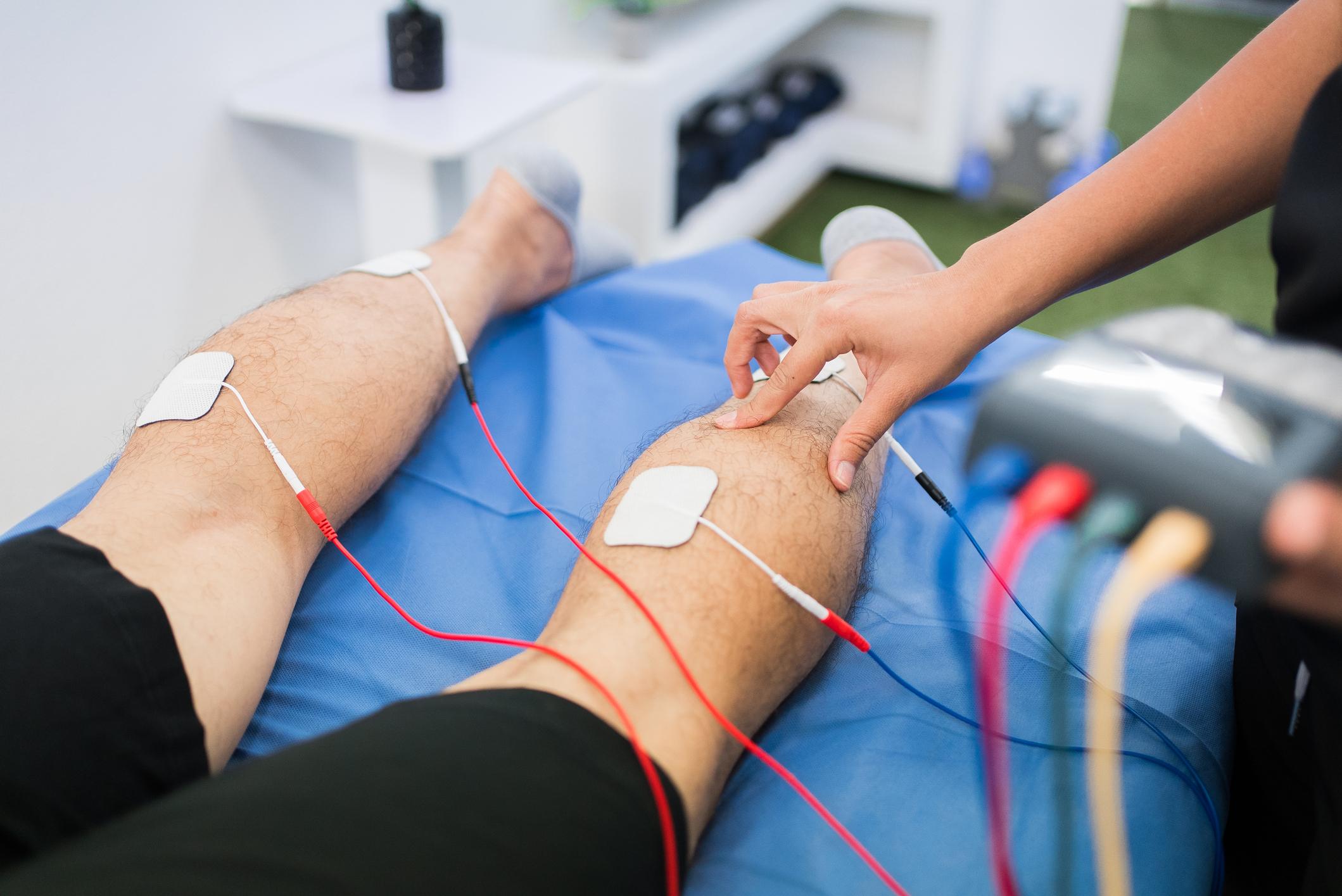
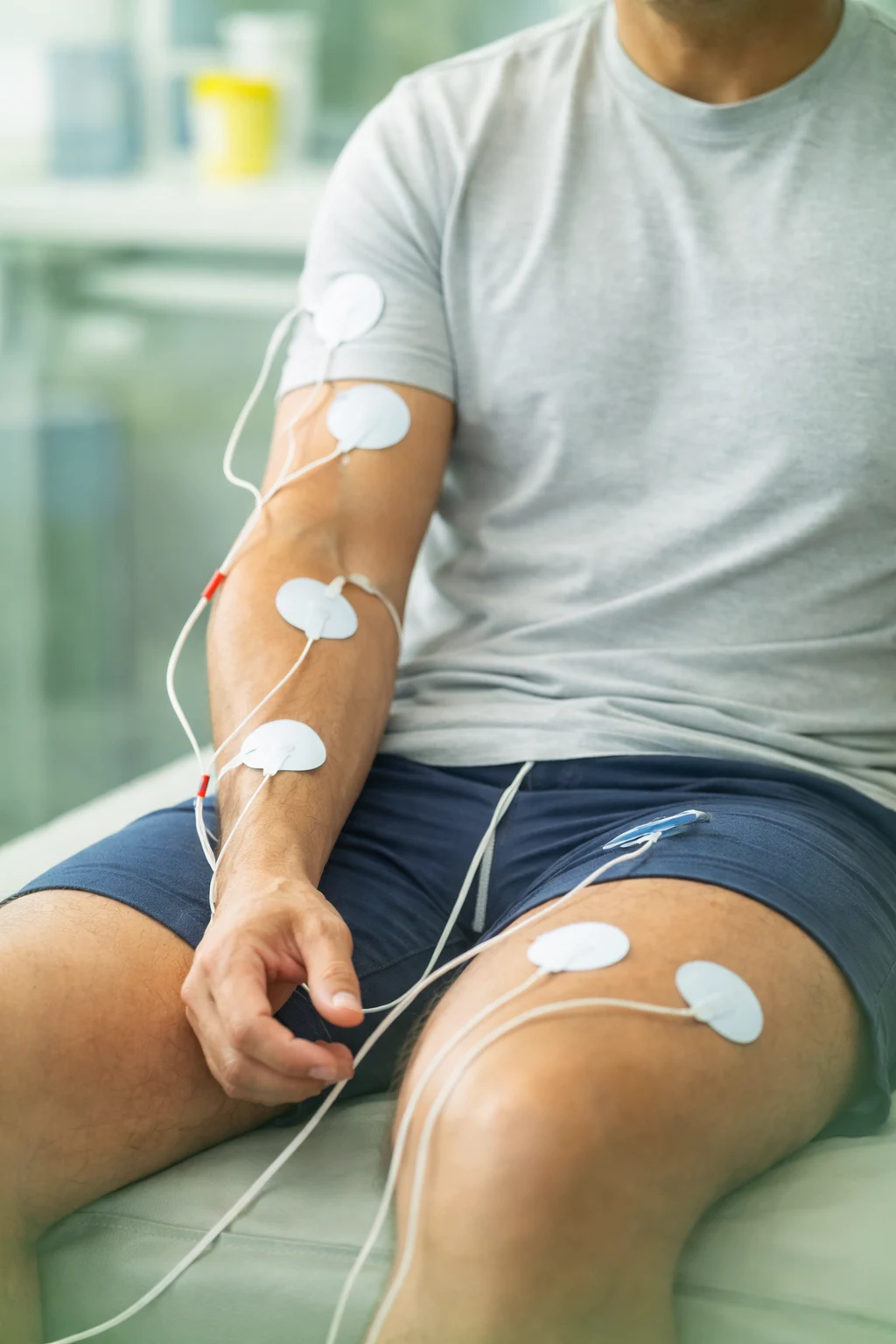
Correct electrode placement is critical to achieving optimal results in electrotherapy. Whether using TENS, EMS, or EMG devices, positioning the electrodes accurately ensures effective stimulation and patient comfort. Electrodes should be placed over targeted muscle groups or
Read More »

The Role of TENS Therapy in Pain Management

Transcutaneous Electrical Nerve Stimulation (TENS) is a non-invasive therapy widely used for managing both acute and chronic pain. It works by delivering low-voltage electrical impulses through the skin to stimulate nerves and reduce pain signals sent to

Read More »

Understanding EMG Biofeedback in Rehabilitation

Electromyography (EMG) biofeedback is an essential tool in modern rehabilitation, enabling clinicians to monitor and assess muscle activity in real time. By providing visual or auditory feedback, EMG helps patients better understand how their muscles are functioning

Read More »

FAQs

A TENS machine is a medical device that delivers mild electrical impulses through the skin to help reduce pain perception. It provides non-invasive, drug-free pain relief and is widely used in physiotherapy and rehabilitation.
The primary goal is to provide symptomatic relief from acute and chronic pain. It helps reduce pain perception, improve comfort, and support rehabilitation and recovery.
The NeuroTrac® TENS is designed for use in clinics and at home. Home users should use the device under the guidance of a physiotherapist, doctor, or qualified clinician to ensure correct electrode placement and treatment settings.
Yes. TENS should not be used by patients with cardiac pacemakers unless approved by a doctor, during pregnancy unless medically advised, or for undiagnosed pain conditions. Electrodes should not be placed over the carotid sinus, heart, larynx, face, or anaesthetised skin. The device should not be used while driving or operating machinery.
Yes. The device features a clear backlight LCD display, simple controls, and preset programmes, making it easy to operate. Its compact and lightweight design allows convenient use in both clinical and home settings.
Partner with NeuroTrac®
NeuroTrac® devices are distributed globally through trusted medical suppliers and clinical partners.